
The Work of Liquidation
Voices from ChernobylThis flow follows the improvised cleanup effort from mass mobilization through hazardous labor to the workers' uncertain lives afterward.
increasing Bearing strength in each event
 decreasing
Bearing strength in each eventdecreasingCall-Up Without Context
Call-Up Without Context
Men Mobilized
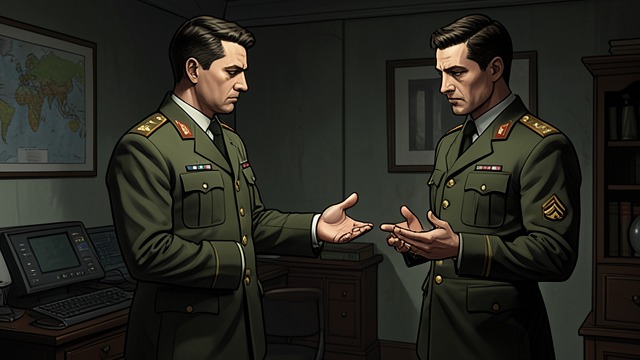
Workers, soldiers, and specialists were summoned to the affected region, often with little explanation of their assignment. Many understood service as an obligation before they understood the danger.
An Old Discipline
Military habits supplied organization and purpose. Yet the same obedience made it difficult to question exposure, equipment, or the adequacy of orders.
Shovels Against Atoms
Shovels Against Atoms
Manual Labor
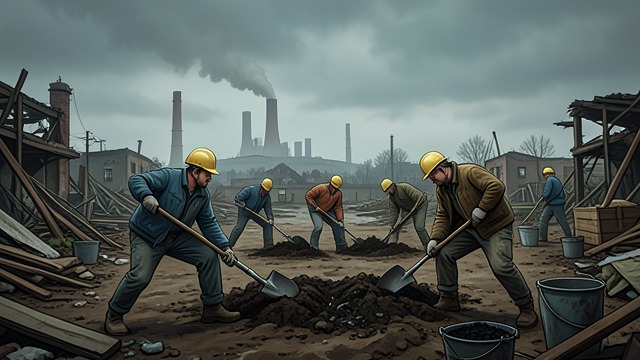
Crews removed soil, cleaned buildings, and buried contaminated material with ordinary tools. Some assignments appeared irrational, but workers returned to them day after day.
The Limits of Machinery
Robots malfunctioned in intense radiation, increasing reliance on human labor. The replacement of machines by people exposed the human cost of an emergency managed through improvisation.
The Roof Crews
The Roof Crews
Brief Shifts
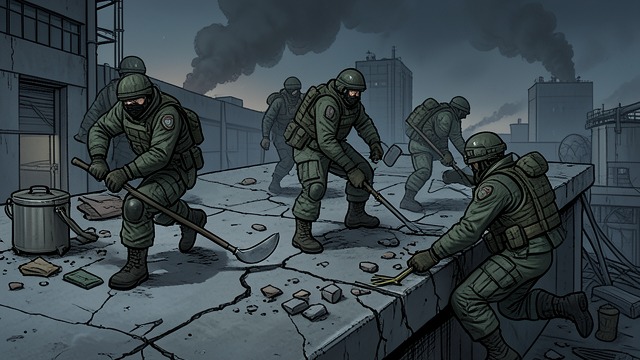
Soldiers climbed onto the damaged reactor roof to clear graphite and debris. Their exposure windows were short, their protective equipment imperfect, and the work demanded speed.
Human Replacements
Workers became the most reliable cleanup tools when remote machines failed. The label of heroism could honor their courage while obscuring why human bodies had been sent where machines could not function.
Records That Fail
Records That Fail
Uncertain Dosage
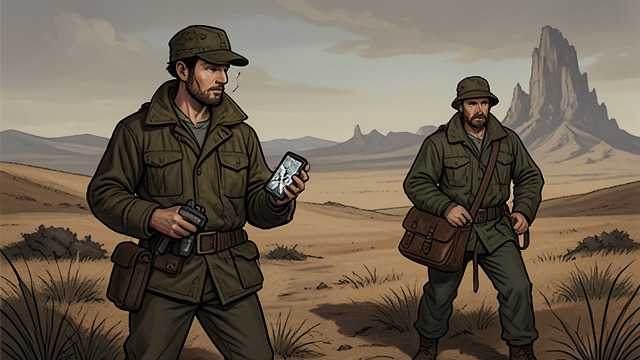
Workers describe readings that were missing, understated, or calculated from rough averages rather than actual work sites. Official records could not reliably tell them what they had absorbed.
A Future Without Evidence
The missing measurements later complicated diagnosis and compensation. Administrative secrecy continued to shape the cleanup long after the physical assignment ended.
After the Assignment
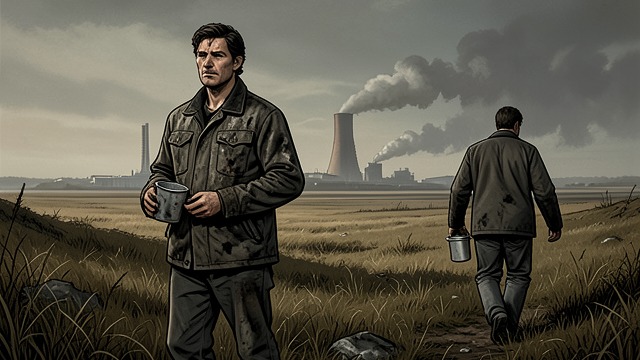
After the Assignment
Returning Sick
Some liquidators developed serious illnesses, while others struggled to explain their experiences to families and employers. Their service was over, but its effects remained embodied.
Unsettled Recognition
The stories hold pride in necessary work beside anger at inadequate protection and fading public attention. The workers returned from the zone without a dependable account of what had happened to them.
Spring and summer 1986
Summer 1986
The months following the accident
During cleanup service in 1986
The years after 1986
